




Плавающий шаровой кран
A floating ball valve works because the ball can move slightly when pressure is applied, pressing against the outlet seat to create a seal. The main parts are the valve body, floating ball, seat seal, and stem.
How it works: Turning the valve stem 90 degrees moves the ball to open or close the flow path. Pressure from the medium pushes the ball against the outlet seat, keeping it sealed.
Understanding the differences is crucial: What different between trunnion ball valves and floating ball valves.
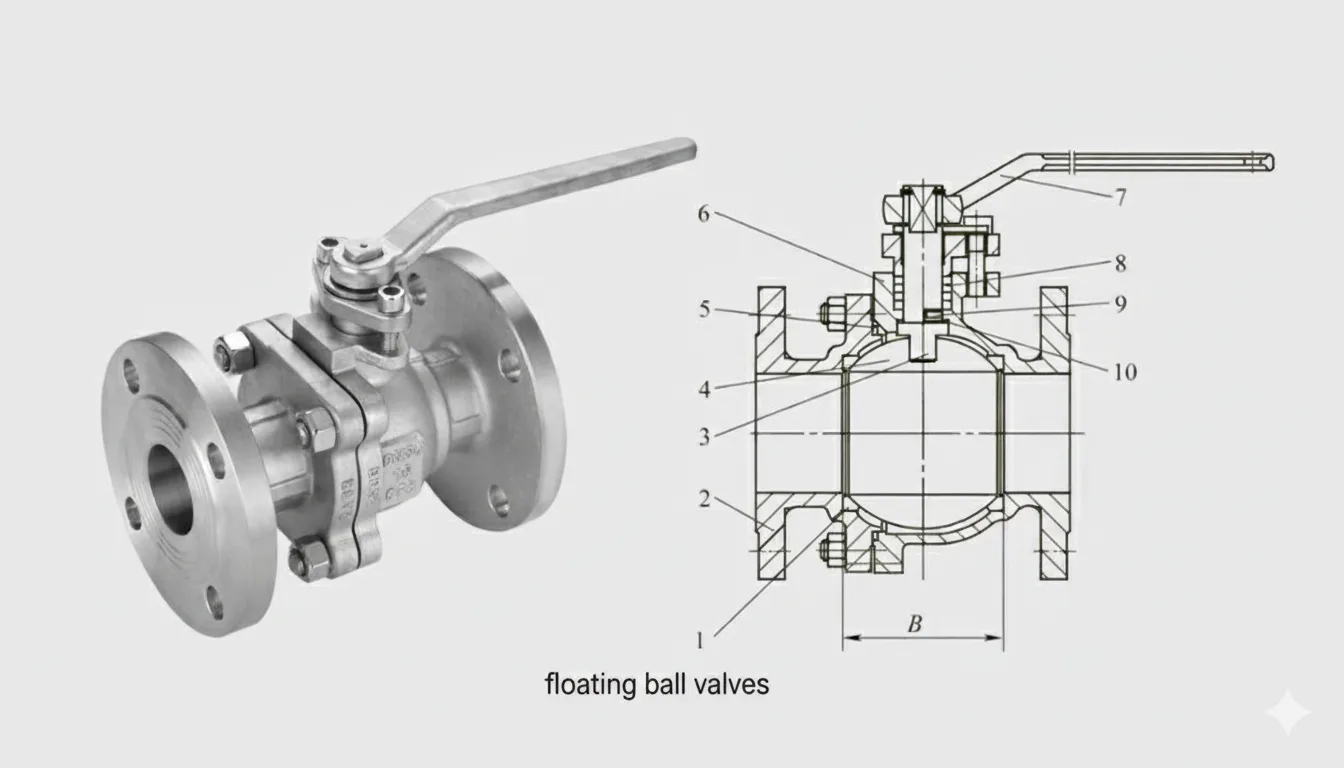
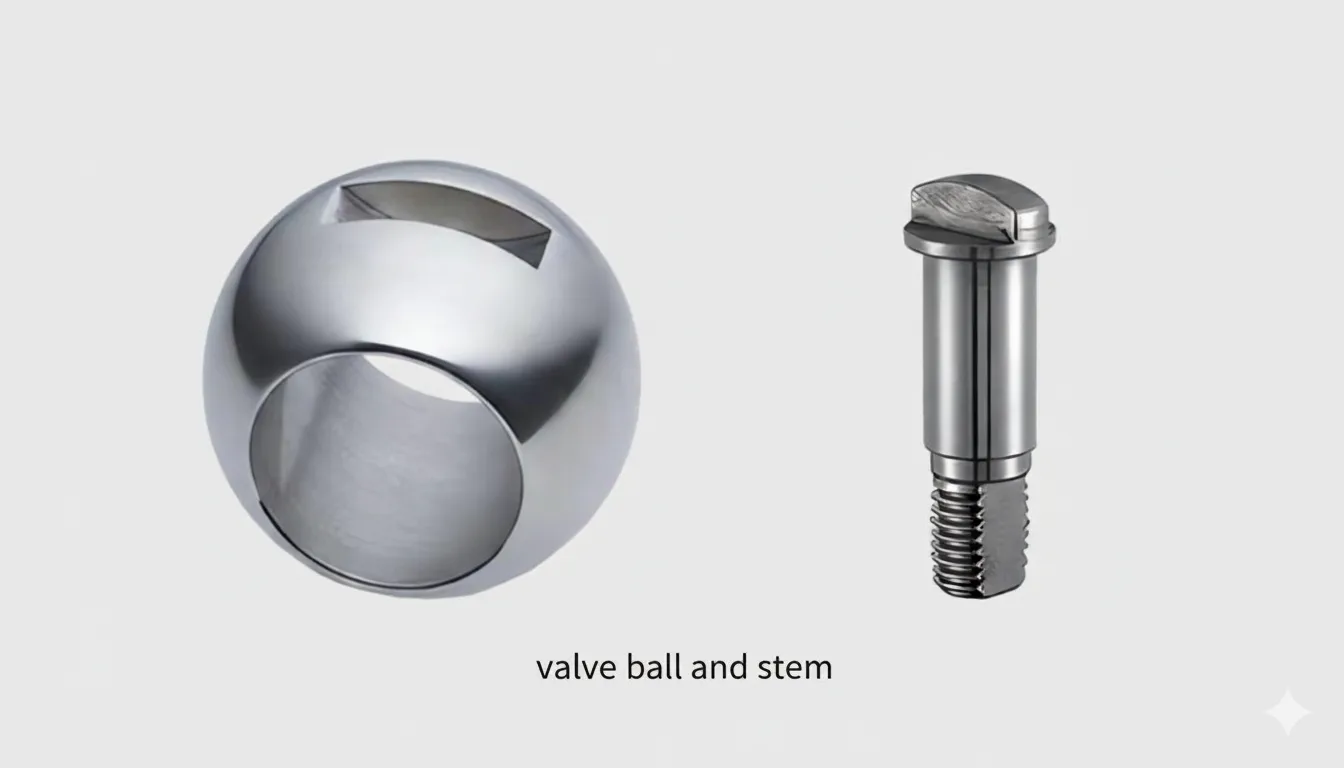
Features:
Simple structure and low manufacturing cost
Suitable for low- to medium-pressure and small-diameter applications (typically ≤3 inches).
The seal has to handle all the pressure from the medium. At high pressure, it can bend, which makes the valve harder to turn.
Limitations: Under high-pressure or large-diameter applications, the valve seat may be damaged by excessive pressure
1. Valve Seat Material with Operating Conditions
In a floating ball valve, the seat takes on both the pressure from the medium and the force from the ball. When choosing materials, consider how well they resist pressure and corrosion:
PTFE (polytetrafluoroethylene): Corrosion-resistant and suitable for low temperatures and pressures (≤150°C, ≤PN40), but prone to deformation under high temperatures and high pressures. PPL (para-polyphenylene ether): Offers temperature resistance up to 200°C, making it suitable for medium-temperature applications, and boasts superior wear resistance compared to PTFE.
PEEK: High-temperature and high-pressure resistant (≤300°C, ≤PN100), suitable for demanding applications, but at a higher cost.
Metal Seals: Suitable for high temperatures (≤450°C), high pressures, or abrasive media (such as oil and gas containing particles), but require high machining precision and are more expensive.
2. Operation and Maintenance
Operation: For low pressure and small sizes, manual or pneumatic actuators can be used because the torque is low. For high pressures and large sizes, torque increases significantly, so electric or hydraulic actuators are required.
Maintenance: High pressure and wear can damage the valve seat; therefore, check the seal frequently and replace parts as needed. Maintenance is inexpensive, but it must be done frequently.
3. Installation and Design Considerations
When installing floating ball valves, ensure the outlet seat material can withstand the system pressure to prevent leaks. These valves are well-suited for simple systems, such as city gas or small chemical pipelines.
Case 1:City Gas Distribution System (Floating Ball Valve)
Beijing City Gas Company supplies gas to residential communities. The pipeline pressure is 0.4 MPa, the pipe diameter is DN50, and the medium is natural gas.
Reasons for Selection: The floating ball valve has a simple structure and low cost, making it suitable for low-pressure and small-diameter applications. The PTFE valve seat is corrosion-resistant and meets gas requirements.
Performance: The valve opens and closes smoothly, can be operated manually, and maintenance is simple, with regular inspections of the valve seat for wear. The cost is kept within 500-1000 yuan per unit.
Problem: If the pipeline pressure unexpectedly rises (e.g., exceeding 0.6 MPa), the valve seat may deform. Pressure monitoring and selection of higher-pressure-resistant materials are necessary.
Trunnion Шаровые клапаны
In a Trunnion ball valve, the ball is held in place by stems at the top and bottom, preventing it from moving. The seat moves to create the seal. This type is best for high-pressure or large diameter uses.
How it works: Turning the valve stem moves the ball, while the seat is pushed against the ball by the medium pressure to form a tight seal.
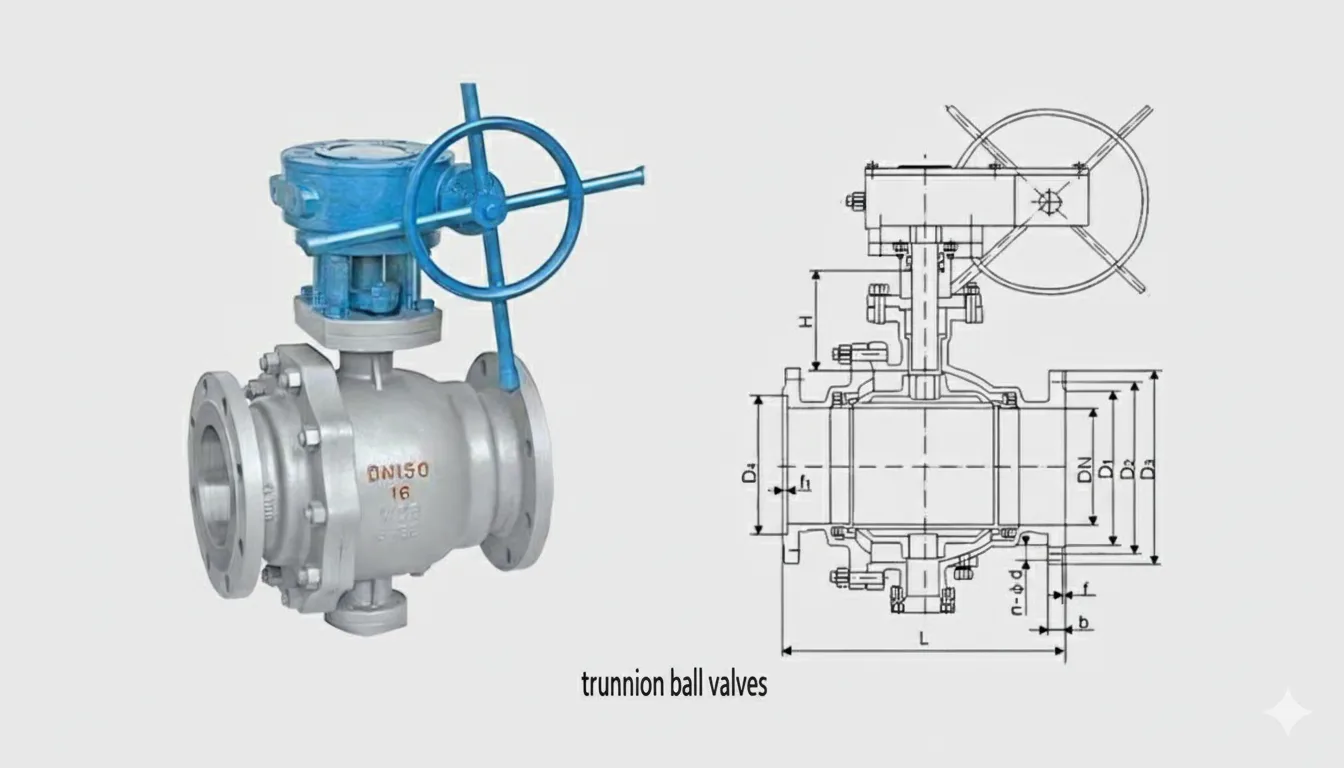
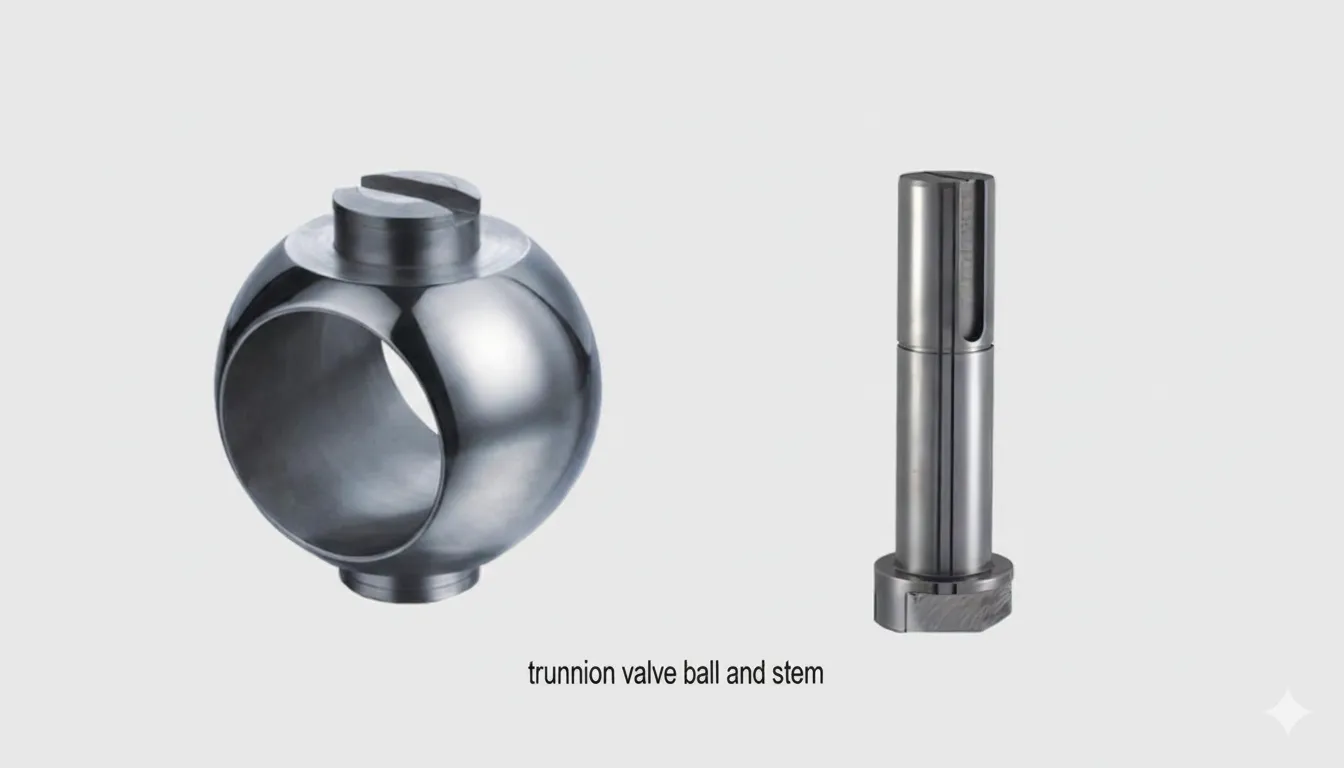
Features:Equipped with bearings to reduce operating torque, suitable for high pressures and large diameters (typically >3 inches).
Small swing deadband error and high control accuracy.
The valve seat design reduces sealing pressure and extends service life.
Limitations: These valves have a more complex design, which makes them more expensive to make and maintain.
Pressure Relief Method Comparison:
Floating ball valve: Utilizes pressure relief at the rear seat, where the ball is able to move and the seat remains fixed. This design is suitable for applications such as LNG and hydrogen peroxide. Extra pressure in the center is released through an upstream opening. Valve: Uses seat pressure relief, with a trunnion ball and a movable seat. Suitable for high-pressure environments, the movable seat ensures a reliable seal.
1. Matching Valve Seat Material with Operating Conditions
Trunnion ball valve: The design lowers stress on the seat, and a spring mechanism helps the seal last longer. You can use a wider range of materials. Metal seals are often used in high-temperature and high-pressure applications.
2. Operation and Maintenance
Trunnion ball valve operation: These valves require minimal force to operate, making them well-suited for use with automated systems. The DBB design makes them safe and good for remote use. Maintenance: The spring helps reduce seat wear, and you can add grease to seal leaks temporarily, which means you don’t have to perform maintenance as often; however, when you do, it becomes more costly.
3. Installation and Design Considerations
Trunnion ball valves may cost more upfront, but they are more cost-effective in the long run. They are a good choice for jobs that require high reliability, such as long-distance oil and gas pipelines or petrochemical plants.
Case 3: High-Temperature Operation in a Petrochemical Plant Scenario: Sinopec cracking furnace pipeline, medium: high-temperature steam (400°C), pressure PN64, pipe diameter DN300.
Reasons for Selection: The Trunnion ball valve features a metal seal, which is resistant to high temperatures and pressures. The DIB-I structure ensures double isolation, meeting the high safety requirements of the petrochemical industry.
Actual Performance: The valve operates stably, spring compensation ensures long-term sealing, and grease filling reduces wear. Maintenance intervals are as long as 2-3 years.
Problem: Valve machining requires high precision, and spring performance must be regularly checked.
Differences between Floating and Trunnion Ball Valves
1. Different Sealing Structures
In a floating ball valve, the ball can move with the flow, while the seat remains stationary. In a fixed ball valve, the ball remains stationary, but the seat can move.
A floating ball valve has only one stem at the top, allowing the ball to move with the flow. Pressure from the medium pushes the ball against the outlet seat, creating a seal on one side.
A Trunnion ball valve has two stems, one at the top and one at the bottom, to hold the ball in place. The ball does not move, but the seat moves to press against the ball and make a seal.
2. Different Applicable Operating Conditions
Floating ball valves are best suited for low-pressure applications and small diameters. If the pressure is too high, the force exerted on the ball can damage the seat and make the valve more difficult to turn. Trunnion ball valves are better for high pressure and large sizes. 3. Different Seat Seals
Trunnion ball valves can provide various functions, including front-end one-way sealing, rear-end one-way sealing, front-end two-way sealing, rear-end two-way sealing, and center cavity pressure relief. Floating ball valves rely on the outlet valve seat for forced sealing.
Reference Standards
API 6D: Specification for Design of Pipeline Valves, which details the DBB/DIB structure and testing requirements for ball valves.
API 6D Specification
ASME B16.34: Valve Pressure-Temperature Rating Standard, which guides the selection of materials and operating conditions for floating and trunnion-mounted ball valves.
ASME B16.34: International Standard for Ball Valves, which regulates the design, testing, and application of ball valves.
ISO 17292: International Standard for Ball Valves
ЧАСТО ЗАДАВАЕМЫЕ ВОПРОСЫ
1. What are the main differences between floating and trunnion mounted ball valves?
Answer: The ball of a floating ball valve can be displaced by the media pressure, causing it to press against the outlet valve seat and achieve a single-sided seal. It is suitable for medium and low pressures and small diameters (≤3 inches). The ball of a trunnion-type ball valve is secured by upper and lower stems, while the seat floats. This valve is suitable for high pressures and large diameters (>3 inches), offering low torque and reliable sealing.
2. How should I choose the seat seal material for a ball valve?
A: The selection depends on the medium, temperature, and pressure:
PTFE: Corrosion-resistant, suitable for low temperatures and low pressures (≤150°C, ≤PN40).
PPL: Temperature-resistant up to 200°C, suitable for medium-temperature applications.
PEEK: High-temperature and high-pressure resistant (≤300°C, ≤PN100), but with a high cost.
Metal-type seals: Suitable for high temperatures (≤450°C), high pressures, or abrasive media. Refer to API 6D to ensure material compliance.
3. What applications are floating ball valves suitable for?
A: Suitable for medium-to-low pressures (≤PN40) and small diameters (≤3 inches), such as city gas and chemical pipelines. For example, a Beijing gas company uses DN50 floating ball valves (0.4 MPa, PTFE seats). These valves are low-cost (500-1000 yuan/unit), easy to maintain, and suitable for natural gas distribution.
4. Why are fixed ball valves more suitable for high-pressure or large-diameter applications?
A: The floating seat and spring compensation design of fixed ball valves reduce sealing pressure and torque, making them suitable for high-pressure (>PN40) and large-diameter (>3-inch) applications, such as petrochemical cracking furnaces (DN300, PN64, 400°C) or long-distance natural gas pipelines (DN1500mm, 1500lb).
5. What is the maintenance frequency and method for ball valves?
A:
Floating ball valves: Inspect the valve seat for wear and replace the seals annually. Maintenance costs are low, but the frequency is high.
Fixed ball valves: Inspect the springs and sealing surfaces every 6-12 months. Grease and oiling extend the maintenance interval and are more expensive. Highly corrosive or high-pressure applications require more frequent inspections.
6.Why are floating ball valves prone to failure under high pressure?
Under high pressure, the medium pushes the ball core against the outlet valve seat, generating excessive pressure, which can cause seat deformation or wear and increase torque. For example, when pressure exceeds 0.6 MPa, PTFE valve seats may fail. PEEK or metal hard seals are recommended.
7. What are the advantages of DBB/DIB configurations for trunnion mounted ball valves?
A: DBB (double block and bleed) or DIB (double isolate and bleed) configurations provide bidirectional sealing and center-cavity pressure relief, enhancing safety. For example, a DN300 trunnion-mounted ball valve in a petrochemical plant uses the DIB-I configuration, ensuring zero leakage with high-temperature steam (400°C), making it suitable for high-risk applications.
8. What harsh operating conditions can ball valves be used in?
A: Suitable for corrosive media (such as hydrogen sulfide), high temperatures and pressures (≤450°C, ≤PN100), or abrasive media (such as oil and gas containing particulates). Corrosion-resistant materials (such as 316L stainless steel) and metal seals must be used, complying with ASME B16.34 standards.
9. What are the differences in the pressure relief methods between floating and Trunnion ball valves?
Answer:
Floating ball valves: Pressure relief is provided by the rear seat, the ball is movable, and the seat is fixed. Excess pressure in the center cavity is relieved through the upstream opening. Suitable for LNG and hydrogen peroxide.
Trunnion ball valves: Pressure relief is provided by the seat, which is fixed, and the ball is movable. Suitable for high-pressure environments, ensuring a reliable seal.
10. How should I choose a ball valve based on diameter and pressure?
Answer:
Diameter: ≤1 inch, choose a floating type; >3 inch, choose a fixed type; 2 inch, the pressure depends.
Pressure: For medium and low pressures (≤PN40), choose a floating type; for high pressures (>PN40), choose a fixed type.
Example: City gas (DN50, 0.4 MPa) utilizes a floating type, whereas the West-East Gas Pipeline (DN1500mm, 1500lb) employs a fixed type.
