



Plug valve vs ball valve: Which valve is cheaper in the long run?
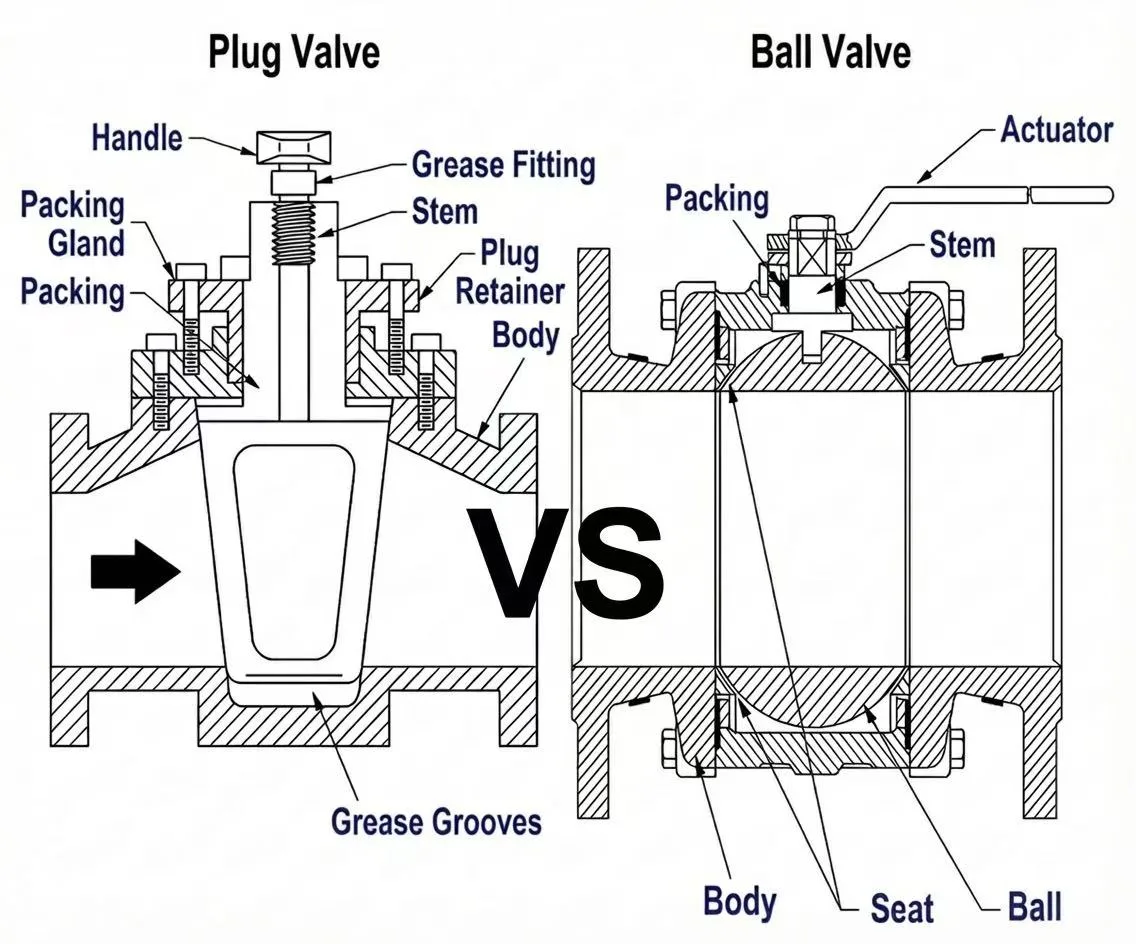
Selecting valves for a pipeline project, you face a choice: a $6,000 ball valve or a $2,400 plug valve. Your purchasing manager questioned the higher ball valve cost. Choosing wrong means risking $150,000 on over-designed valves or unplanned downtime from failures. In 2019, a Louisiana refinery replaced 40 plug valves with ball valves, increasing upfront […]
BSPT vs NPT: Thread Differences That Cost $12K (2026 Guide)
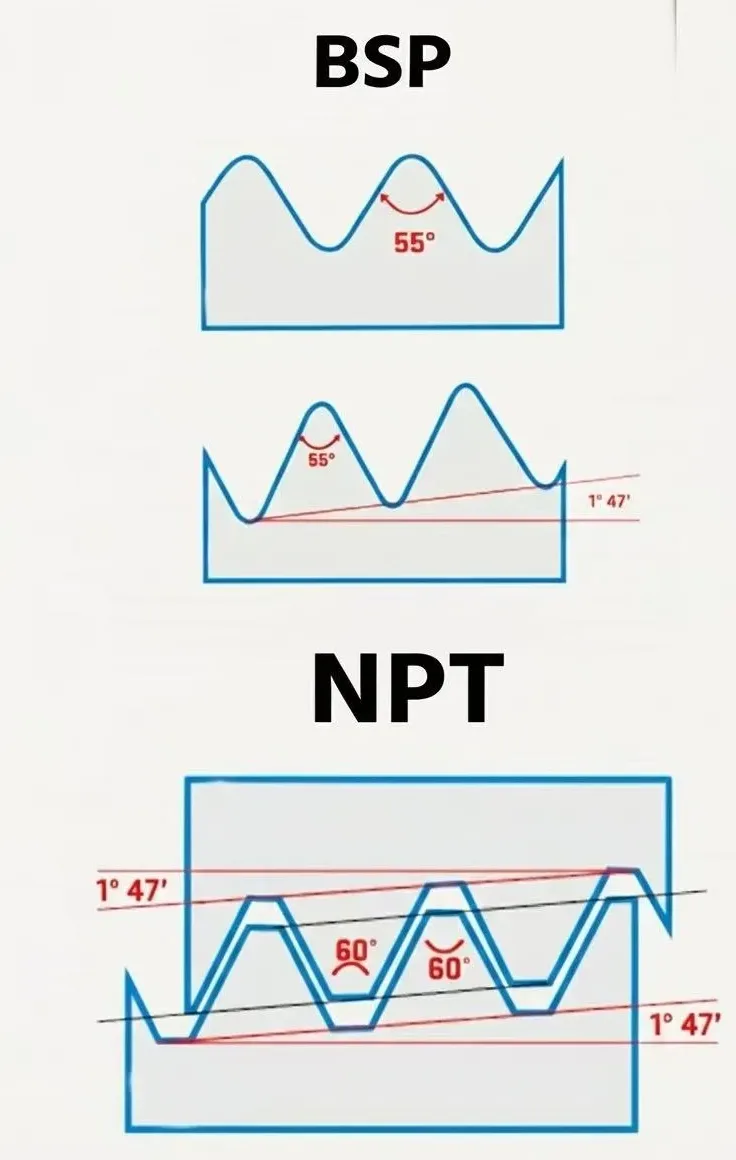
You see a leaking valve connection. The sealant is new, and the torque is correct, but hydraulic fluid still drips onto the concrete. What most people don’t mention is that a British Standard Pipe Taper (BSPT)1/2 ball valve port and an American National Pipe Taper (NPT) plug will never seal well. The 5-degree difference in […]
Gate Valve vs Ball Valve: Which Valve Do You Need for Your Industrial System?
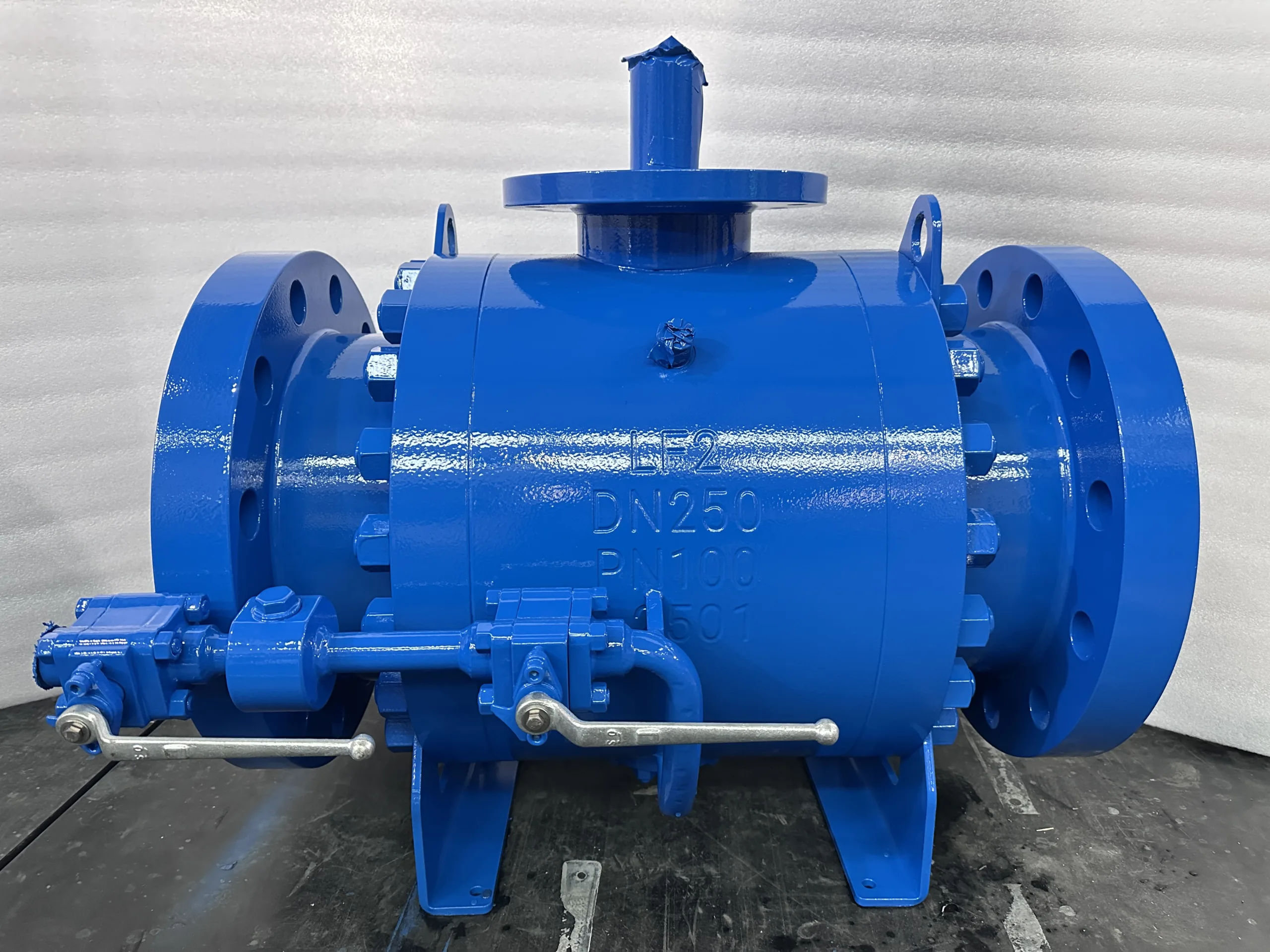
You need to choose between two 18-inch isolation valves for a high-pressure crude oil pipeline: a gate valve costing $8,500 or a ball valve at $32,000. Which one should you pick? The price gap is big, but choosing the wrong valve can cost even more. I’ve seen projects lose over $140,000 on oversized ball valves […]
Stainless Steel Ball Valve: Complete Engineer’s Guide to Selection & Application”
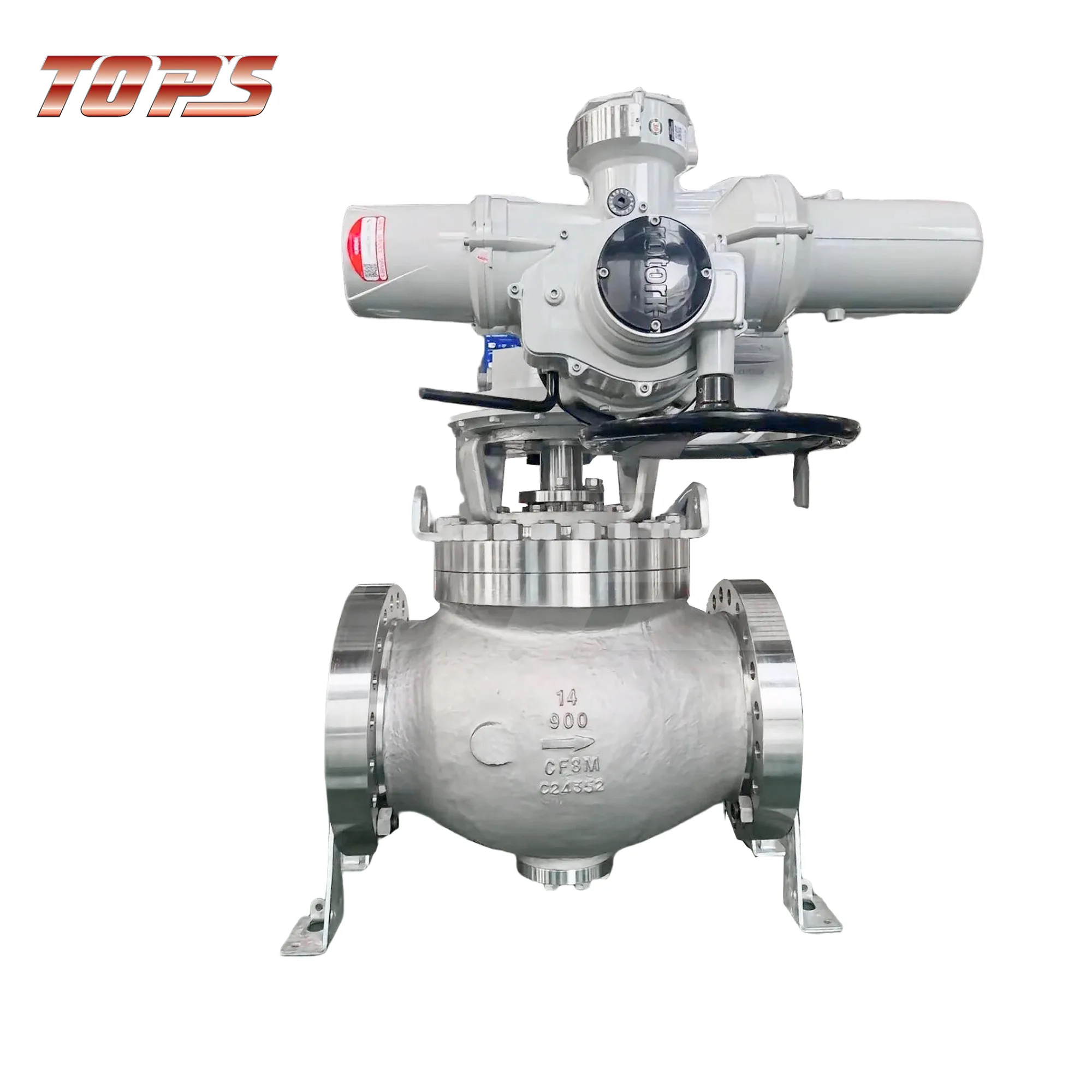
Stainless steel ball valve for a new chemical processing line: The supplier asks, “304 or 316? Full port or reduced? PTFE or RPTFE seats?” You hesitate, aware that a wrong choice could mean early failure, leaks, or even a safety issue. I’ve seen costly shutdowns from picking 304 instead of 316L in chloride-rich environments. PTFE […]
Valve Strainer Mesh Size Explained: How to choose the right valve strainer
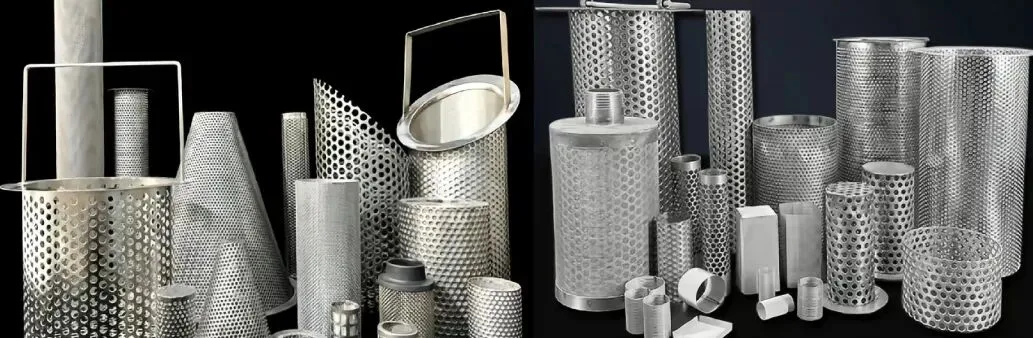
Valve Strainer is a key safety device in fluid transport systems. They trap impurities and protect components such as valves, pumps, and flow meters from wear, clogs, and damage. The Strainer’s mesh size is the main factor in its performance, affecting efficiency, pressure drop, and equipment lifespan. This article explains the main points of filter […]
3 way ball valve: How it works, the difference between the T-type and the L-type, and the application.
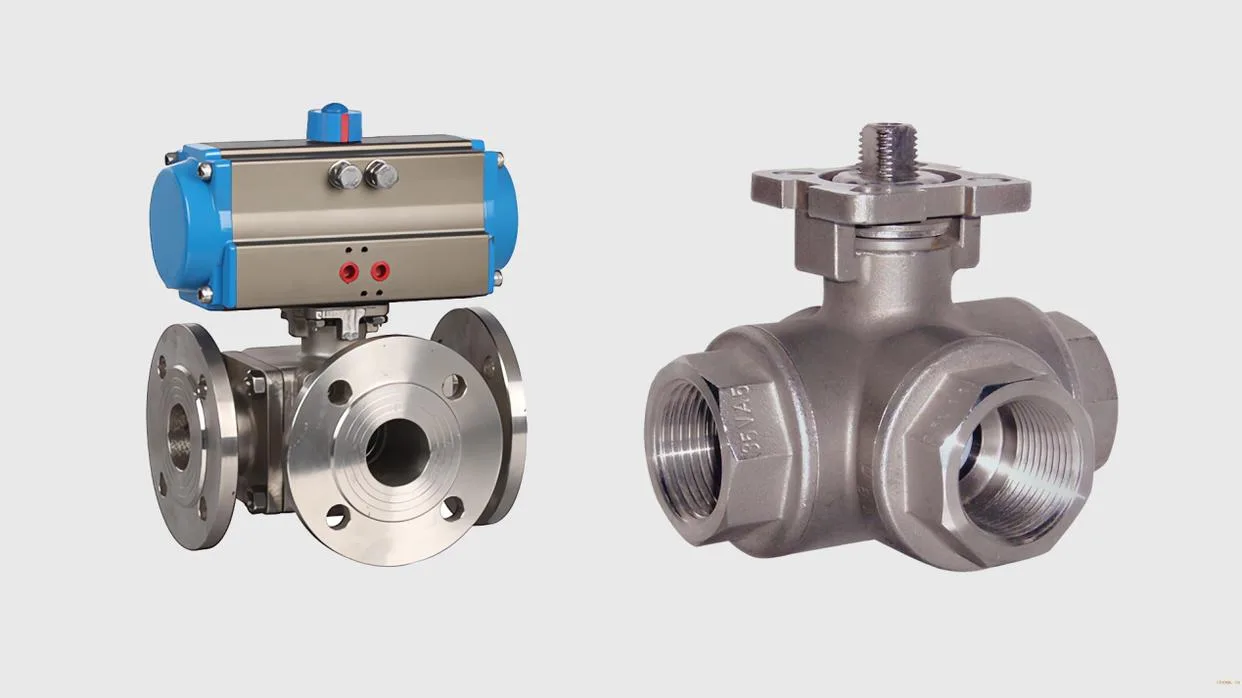
What is 3 way ball valve? 3 way ball valve is a commonly used valve for medium diversion, convergence and direction change. Similar functions include three-way regulating valve, three-way plug valve, three-way globe valve, three-way diaphragm valve, three-way butterfly valve, etc. Three-way ball valves are classified as L-type or T-type based on their valve body […]
How to choose the material for valve sealing surface?
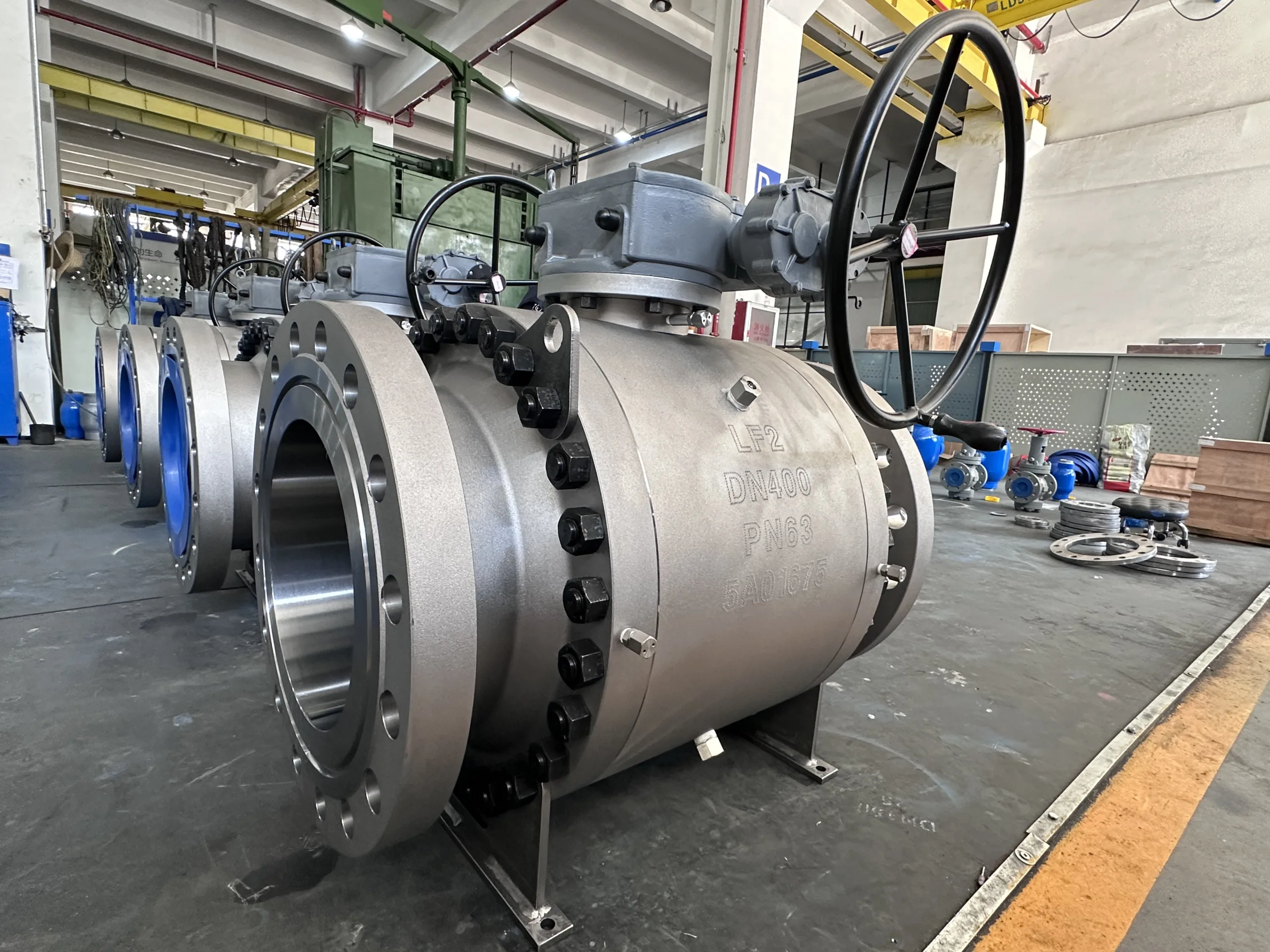
Factors to consider in the selection of valve sealing surface material The valve sealing surface is the most crucial working area of the valve. Sealing surface quality directly determines the valve’s service life. The sealing surface material is also a vital factor in ensuring this quality. Therefore, consider the following factors when selecting valve sealing […]
Gate valve Repair:how to repair a gate valve?
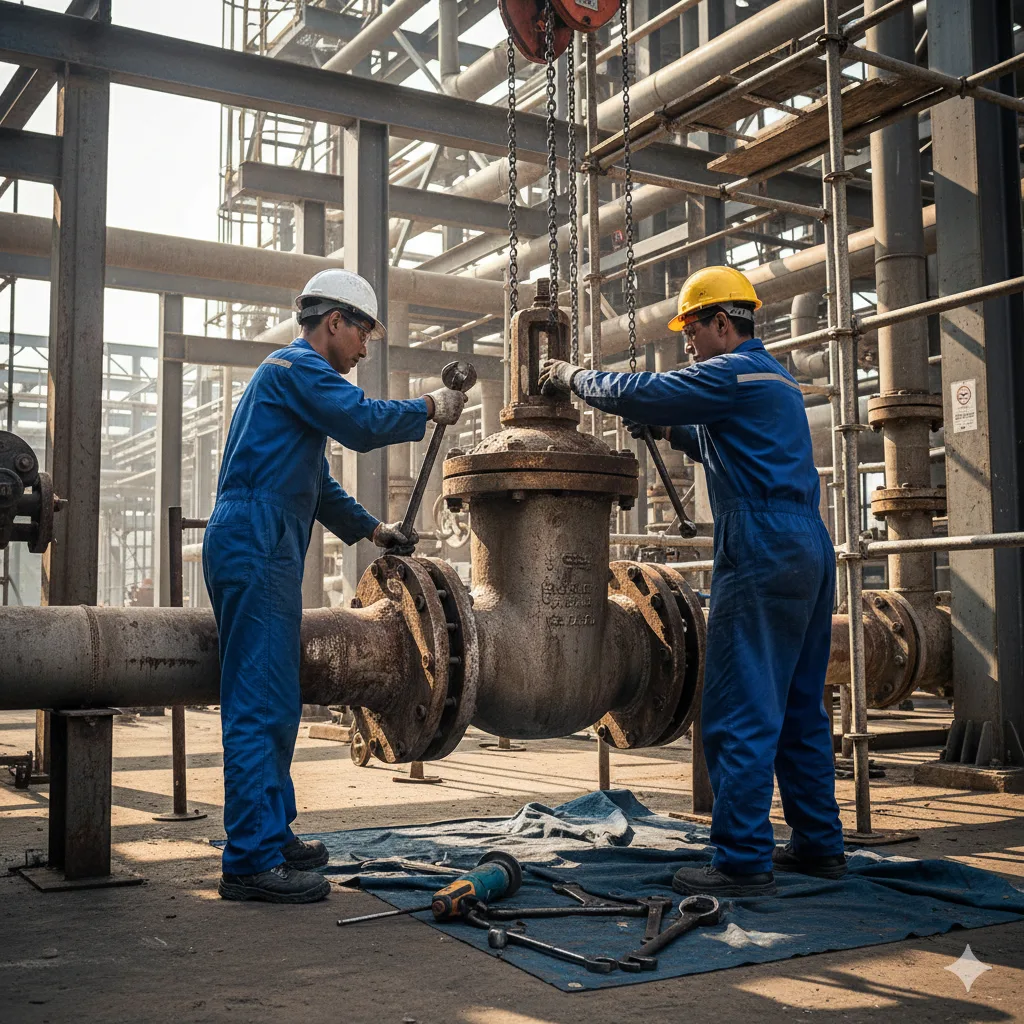
Gate valve Repair 1.1. Working principle and function of the gate valve: Gate valves are shut-off valves used in pipelines wider than 100 mm to control fluid flow. They get their name from the gate-shaped disc inside. These valves are simple to use and offer low resistance, but their sealing surfaces can wear out quickly, […]
What is the difference between lift check valve, swing check valve, and wafer check valve?
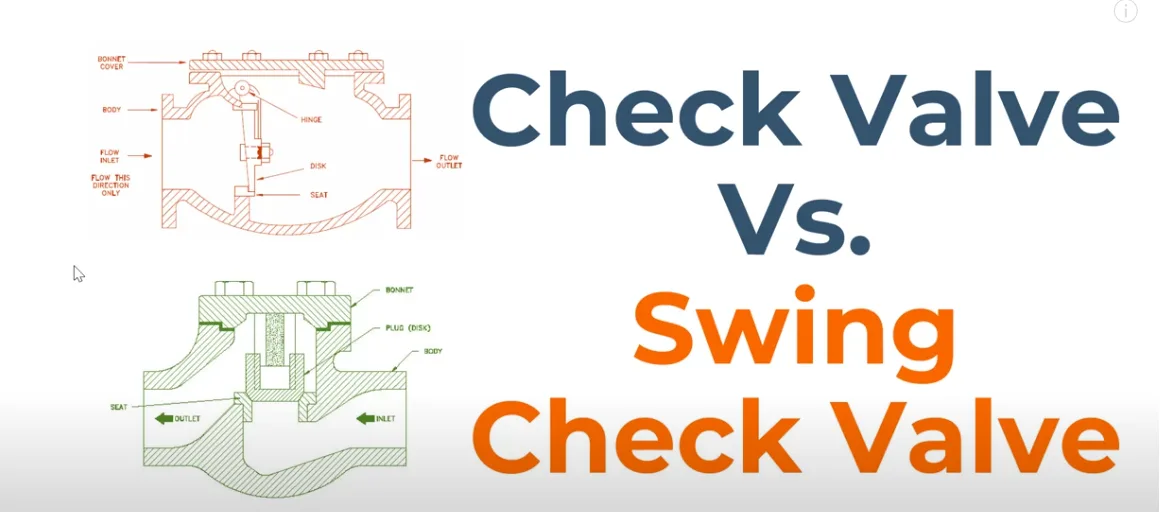
Lift check valve: Structural features of the lift check valve: The lift check valve disc moves up and down along a direction perpendicular to the center line of the pipeline, similar to the structure of a globe valve. It is usually composed of a valve body, valve disc, valve seat, and spring (or no spring).The […]
What is the difference between gate valves and butterfly valve?
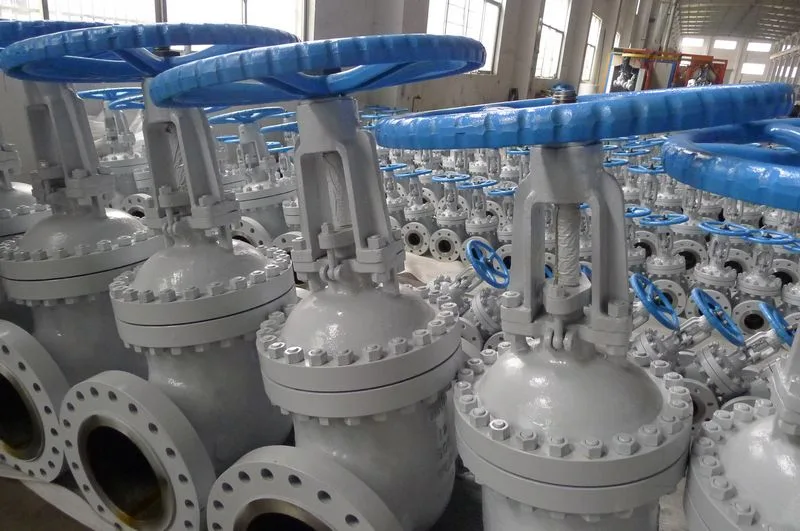
Gate valves and butterfly valve are two kinds of commonly used valves, which are very different in structure, use method, and working conditions. This article will help users to have a deeper understanding of the difference between a gate valve and a butterfly valve, so as to better help users to do a good job […]
The main rules and steps of butterfly valves selection
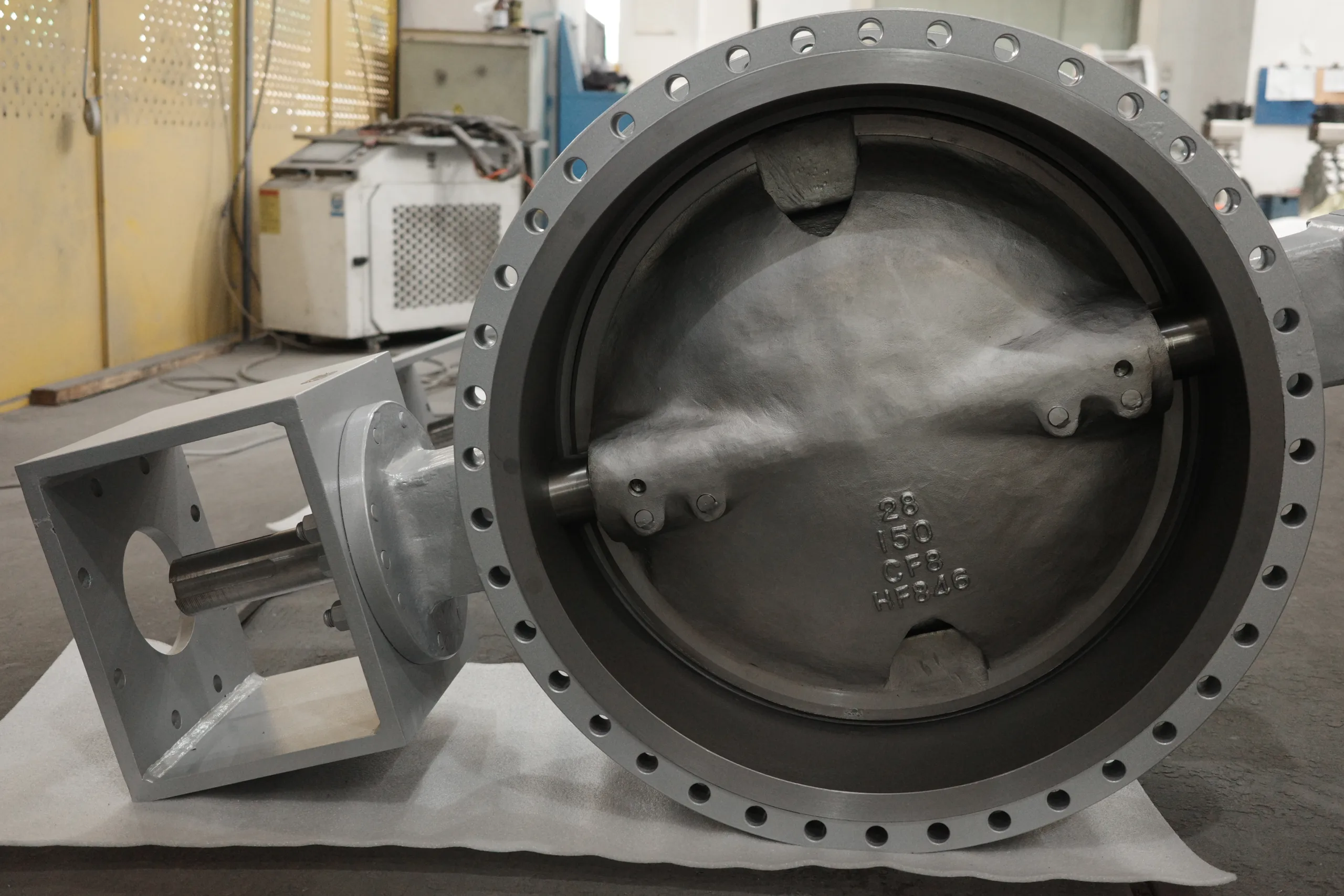
Butterfly valves selection:Determine the application conditions media characteristics : Fluid type (gas, liquid, particle/corrosive medium, etc.). The temperature, viscosity and corrosiveness of the medium (such as acid, alkali, oil, steam, etc.). Working pressure and temperature range: Determine the maximum working pressure (PN/Class) and temperature (high, normal or low). Metal sealing butterfly valves should be selected […]
Principles and steps of valves ball valve selection
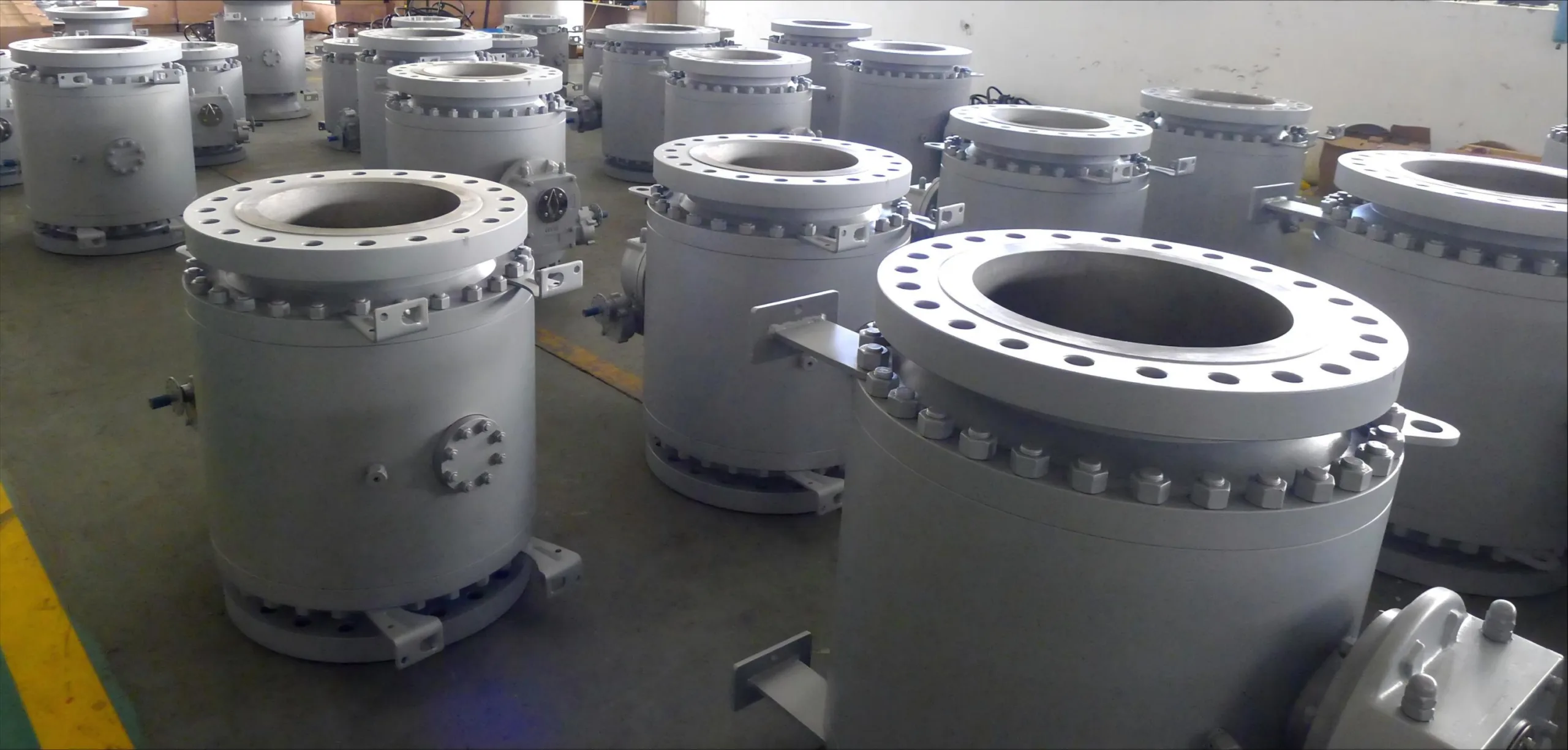
Principles of valves ball valve selection media characteristics Corrosion resistance: select corrosion-resistant materials (such as 316L stainless steel, Hastelloy) according to the chemical properties of the medium (such as acid, alkali, organic solvent). Cleanliness: hard sealing (metal to metal) or a specially designed anti-clogging structure should be selected for particles or high viscosity media. Phase: […]