




Gate valves and butterfly valves are both widely used, but they differ in structure, operation, and working conditions. This article explains these differences to help you choose the right valve for your needs.
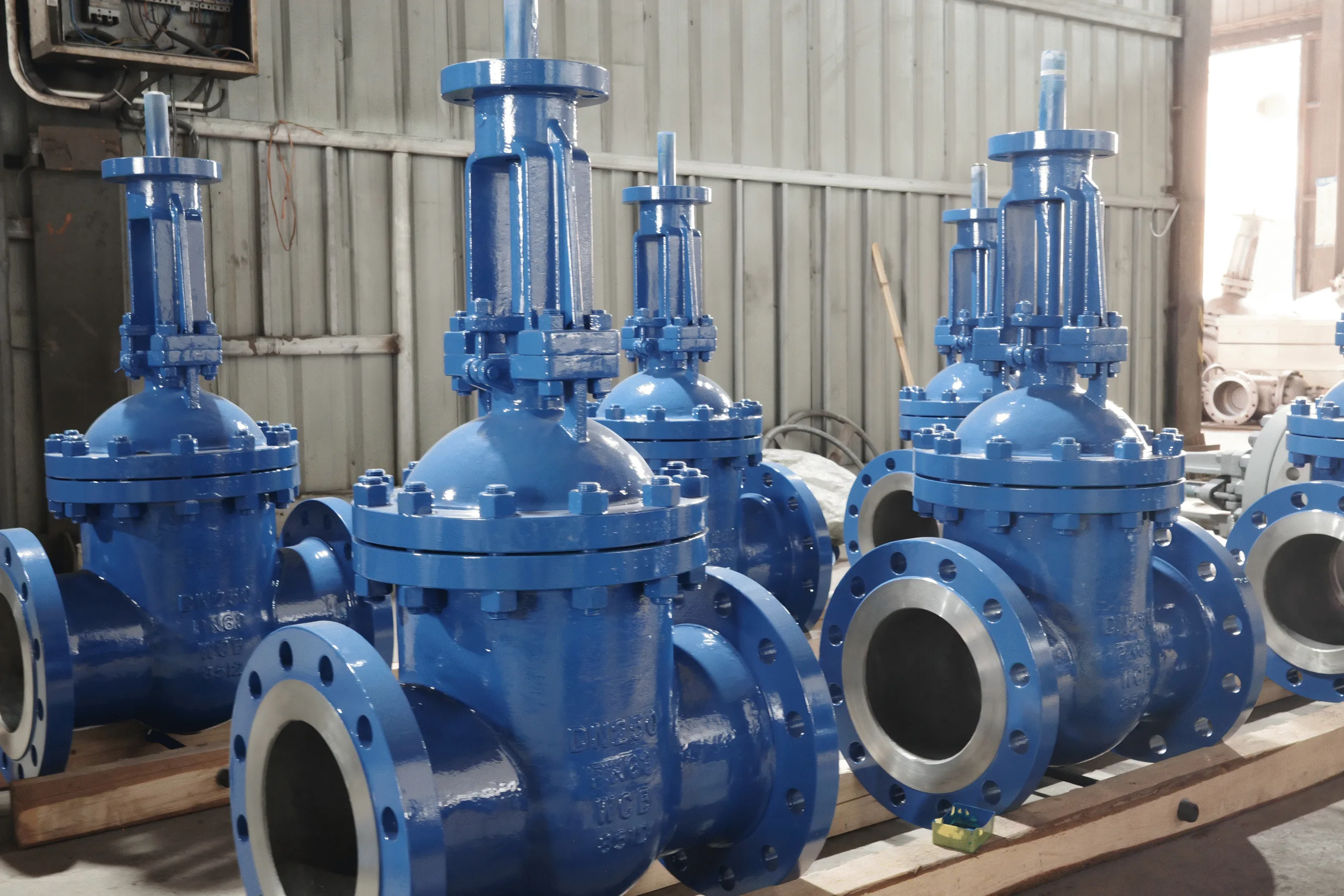
Gate valves work by using a vertical gate to block or allow flow in a pipeline. They are commonly used in both industrial and household settings. These valves are designed to be either fully open or fully closed, and they do not regulate flow.
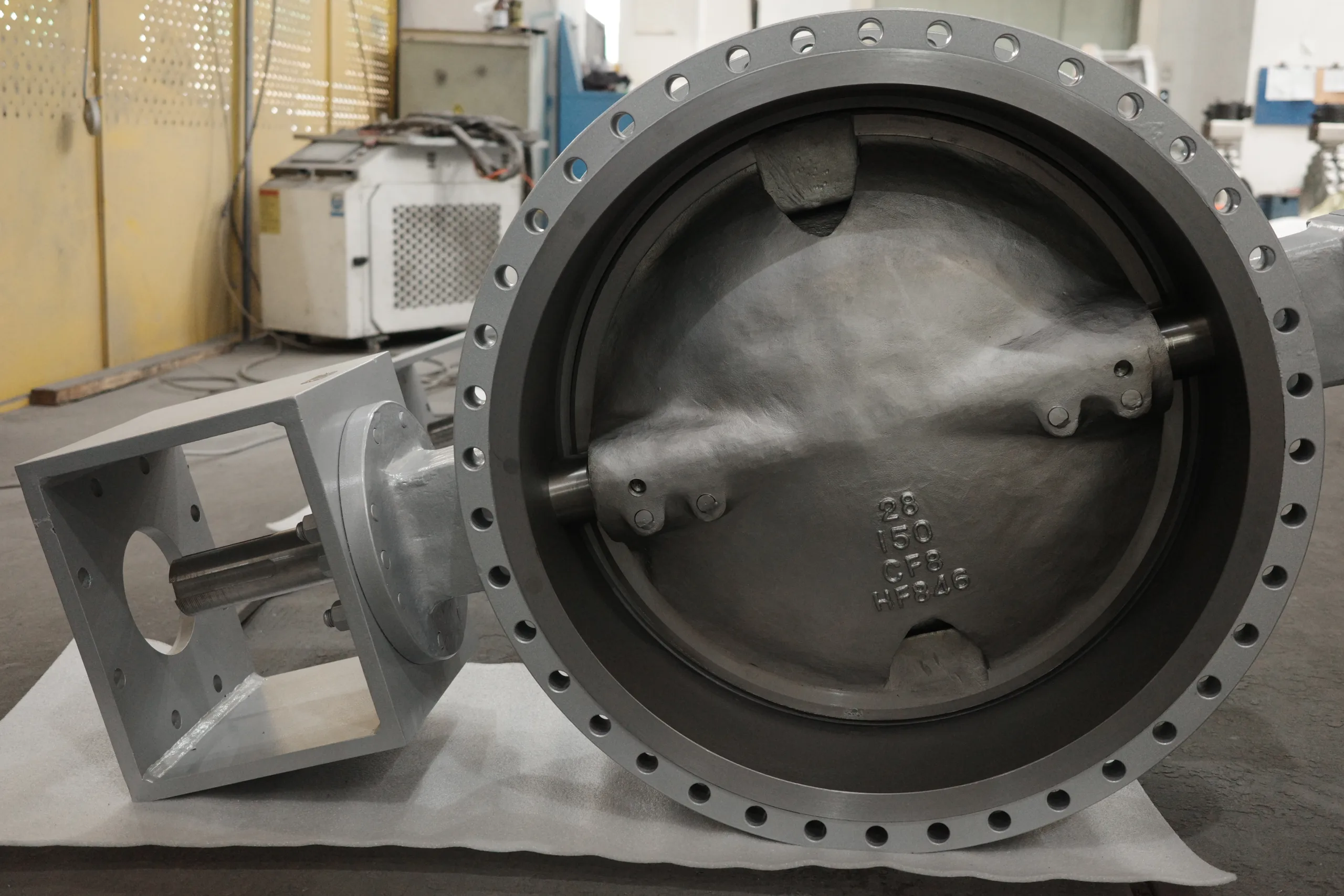
The butterfly valve features a disc-shaped disc as its closure element. This disc is mounted on the valve stem and rotates around it to achieve opening and closing. The valve operates through rotational movement, requiring only a 90° turn to transition from fully open to fully closed. Notably, the disc itself lacks self-locking capability. To address this, a turbine reducer is integrated into the valve stem. This mechanism not only provides self-locking functionality but also enhances the valve’s operational performance.
The following introduces the difference between gate valve and butterfly valve:
1. Differences in motor ability
Gate valves are either fully open or fully closed, so they have very little flow resistance when open. Butterfly valves, on the other hand, still create some resistance even when open because of the plate inside. Gate valves also need to open higher, which makes them slower to operate. Butterfly valves can be opened or closed quickly with just a 90-degree turn.
2. Differences in function and use
Gate valves are known for their strong sealing and are best for pipelines that need to stay closed most of the time. They are not good for adjusting flow or for situations where you need to open or close the valve quickly. Butterfly valves are more versatile. They can block flow and also adjust it, and they work well in situations where you need to open or close the valve often and quickly.
Butterfly valves are smaller and lighter than gate valves, so they are a good choice when space is limited. They are the most common type of large-diameter valve and work well in pipelines that carry materials with small particles.
In many situations, butterfly valves have become the preferred option and are now often chosen over other types of valves.
3. Price differences
For the same pressure and diameter, gate valves usually cost more than butterfly valves. Butterfly valves can also be made in much larger sizes.
Comparative tables
|
characteristic
|
gate valve
|
butterfly valves
|
|
Access mode
|
Gate rises and falls, perpendicular to the flow
|
The plate is rotated 90°
|
|
flow resistance
|
Low flow resistance when fully open
|
The flow resistance is slightly larger when fully open
|
|
Opening speed
|
relatively slow
|
fast
|
|
function
|
Only cut off, strong sealing
|
Cut off + flow regulation
|
|
applicable scene
|
Strictly sealed, not frequently opened and closed
|
Frequent opening and closing, rapid cutting off, flow regulation
|
|
material quality
|
Cast iron, carbon steel, stainless steel
|
Cast iron, aluminum alloy, rubber/PTFE lining
|
|
installation space
|
more
|
Smaller, especially for clamps
|
|
Maintenance difficulty
|
higher
|
lower
|
|
price
|
higher
|
lower
|
|
Calibre range
|
Generally smaller
|
Can be super large
|
Practical application cases
Wastewater Treatment Plant: In a plant that needs to control pipelines with small particles and a large diameter (DN800), engineers chose a clamp-type butterfly valve. Its light weight and quick operation help lower installation and maintenance costs, and the rubber lining protects against corrosion.
Petrochemical Plant: For pipelines carrying high-pressure, high-temperature crude oil, gate valves are preferred because they seal well and last a long time. While they cost more to install, their reliable performance helps keep operations safe over the long term.
HVAC System: In commercial building air conditioning systems, butterfly valves are popular because they are compact and can adjust flow easily, which is helpful in tight spaces and when quick changes are needed.
Authoritative references
Valve Selection Guide-American Valve and Fittings Association
Industrial Valves Standard-ASME B16.34
FAQ
1. Which is more suitable for large diameter pipeline gate valve and butterfly valve?
Butterfly valve is more suitable for large diameter pipeline, because it can be made of super large diameter (DN2000 or above), and the price is low, installation and maintenance is convenient.
2. Can butterfly valve be used in high pressure environment?
Butterfly valves perform well at low to medium pressure, but gate valves are better in pressure and sealing under high pressure and high temperature.
3. How to choose the appropriate valve material?
Select according to medium characteristics: butterfly valve lined with rubber or PTFE is recommended for corrosive medium; stainless steel or carbon steel gate valve is recommended for high pressure and high temperature medium.
4. How is the flow regulation accuracy of butterfly valve?
The butterfly valve can control the flow by adjusting the angle of the butterfly plate, but the accuracy is lower than that of the specialized regulating valve, which is suitable for rough adjustment scenarios.
5. What is the difference in maintenance frequency between gate valve and butterfly valve?
Butterfly valve structure is simple, maintenance frequency is low; gate valve because of complex parts, maintenance cycle is long and cost is high.
